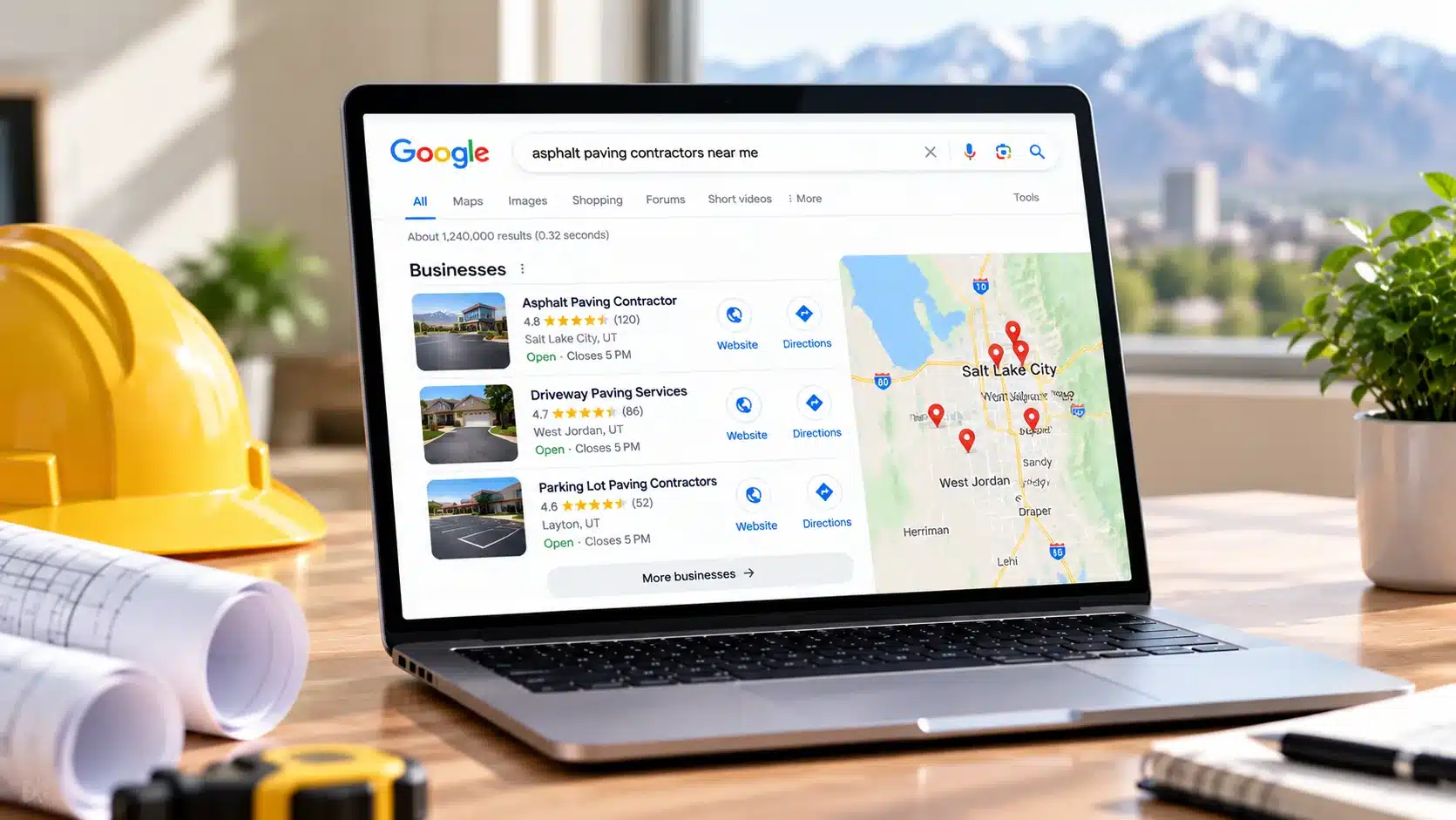
Few things frustrate visitors faster than a page that takes too long to load. People tap the back button, choose another result, and rarely return. Search engines notice that behavior, and they also measure speed directly. If you are interested in SEO-Friendly Web Design for Salt Lake City Businesses, understanding how speed connects to rankings is one of the most useful places to start.
For a wider look at planning and building a business site, see A Small Business Owner’s Guide to Custom Website Design in Northern Utah. Here, we explain how speed influences search visibility and what you can do about it.
Speed Is a Confirmed Ranking Signal
Google has said publicly that page experience, including loading speed, is part of how it ranks pages. Speed is not the most important factor on its own. Relevant, helpful content still matters most. But when several pages answer a search equally well, the faster, smoother page has an advantage. For local businesses competing for the same searches in the same city, that edge can make a real difference.
Core Web Vitals in Plain Language
Google measures page experience using a set of metrics called Core Web Vitals:
- Largest Contentful Paint measures how quickly the main content of a page appears.
- Interaction to Next Paint measures how quickly the page responds when someone taps or clicks.
- Cumulative Layout Shift measures whether elements jump around as the page loads.
A site that scores well on these feels fast, responsive, and stable. A site that scores poorly feels sluggish or jumpy, even if the content is excellent.
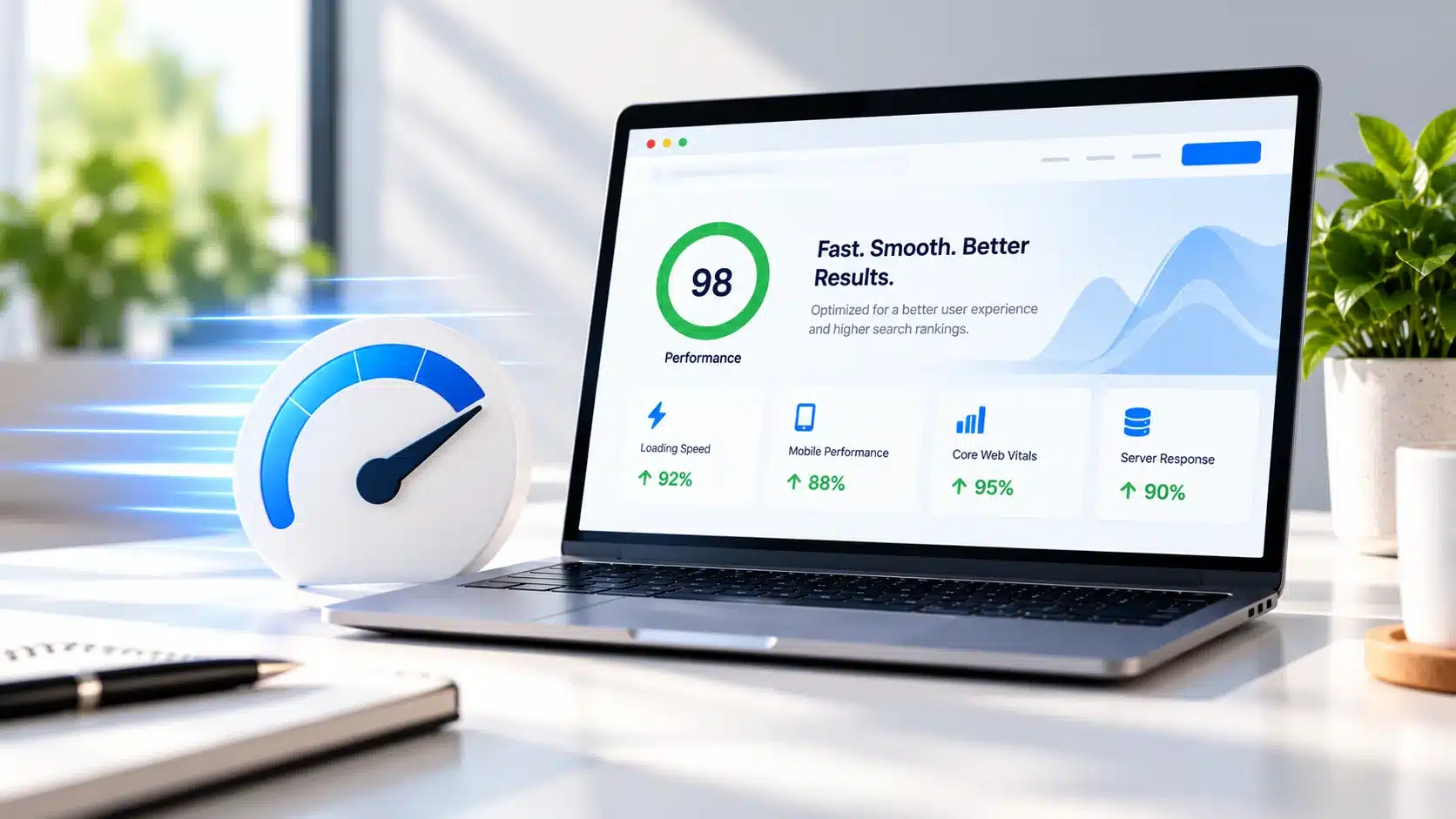
Speed Affects Behavior, and Behavior Matters
Beyond the direct ranking signal, speed shapes how visitors interact with your site. Slow pages lead to more people leaving before the page even loads, fewer pages viewed per visit, and fewer form submissions and calls. Those outcomes hurt your business directly, whatever happens in search. A fast site keeps visitors engaged long enough to learn about your services and reach out. Think of a customer comparing three local businesses on a phone during a lunch break. The site that loads first and answers their question clearly is usually the one that gets the call.
Mobile Speed Counts Most
Google primarily evaluates the mobile version of your site. Mobile connections can be slower and phones have less processing power than desktop computers, so heavy pages suffer most on mobile. Responsive web design that is also lightweight is essential. A layout that simply shrinks to fit a phone is not enough if it still loads large desktop images and unnecessary scripts.
Common Causes of a Slow Website
Most slow small business sites share a few familiar problems:
- Oversized images that were never compressed or resized
- Too many plugins, especially ones that load scripts on every page
- Low-quality or overcrowded hosting
- No caching, so pages are rebuilt for every visitor
- Heavy sliders, videos, and animations at the top of the page
- Outdated themes with bloated code
How to Improve Website Speed
Many speed improvements are straightforward when handled by someone experienced:
- Compress and resize images, and use modern formats where supported
- Remove plugins that are not needed and replace heavy ones with lighter options
- Enable caching and, where it helps, a content delivery network
- Load scripts only on pages that need them
- Choose reliable hosting suited to your site’s traffic
- Keep WordPress, themes, and plugins updated
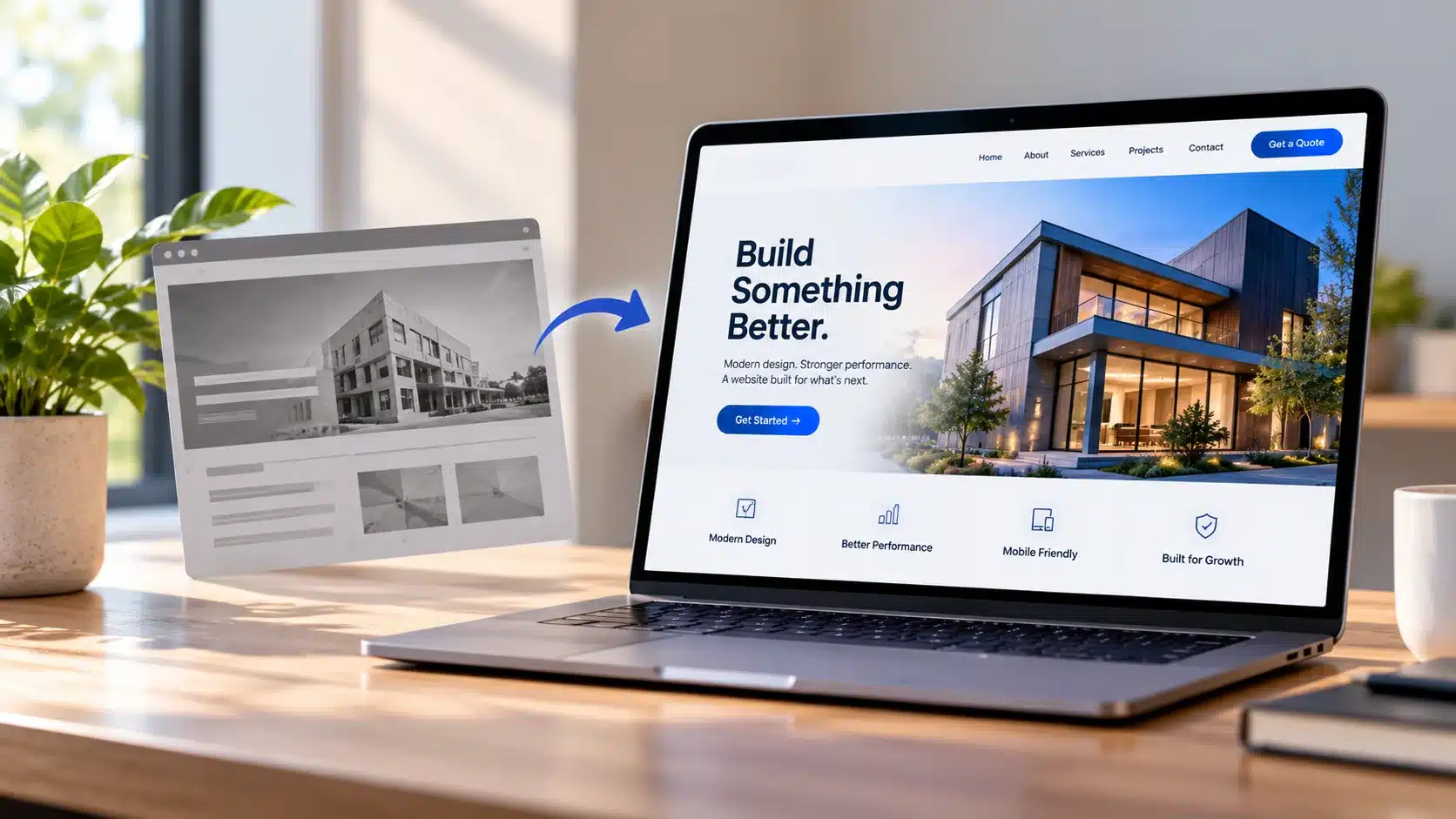
For sites with deep structural issues, a website redesign may be the most efficient path. A modern WordPress web design built with performance in mind avoids many of these problems from the beginning.
Speed Is Part of SEO Web Design
SEO web design means building search best practices into the foundation of a site. That includes clean page structure, clear headings, descriptive titles, internal links, and fast loading. When speed is considered during custom website design, decisions about images, fonts, layout, and features all support performance instead of working against it.
Keeping Your Site Fast Over Time
Speed is not a one-time fix. Every new photo, plugin, and page can slow a site down if no one is watching. Ongoing website maintenance services include regular speed checks, image optimization, database cleanup, and updates that keep performance strong month after month. That steady care protects both your rankings and the experience your customers have.
Getting Help
A fast website is one of the most practical investments a small business can make. Affordable web design and strong performance are not opposites. Careful choices during the build cost little and pay off for years. A web design agency that specializes in small business web design can audit your current site, explain what is slowing it down, and fix the issues that matter most. Business owners searching for web design near me in Salt Lake City and across Northern Utah can count on MPARO for fast, search-friendly websites.
Want to know how your website’s speed measures up? Call MPARO at (801) 410-6548 for a speed review and a clear plan to make your site faster.